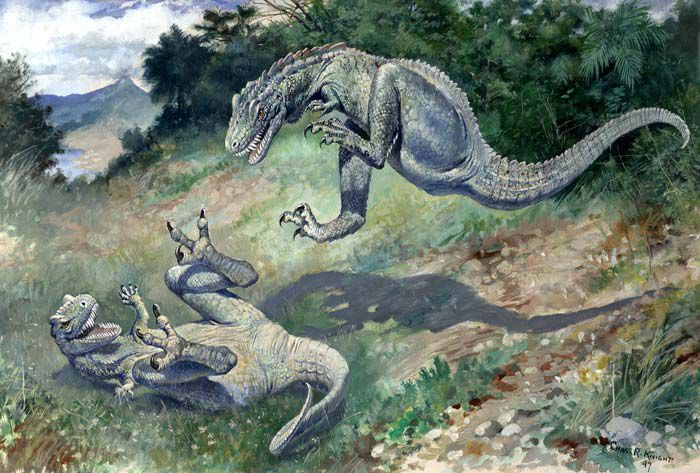
Our Garden State’s prehistory is more often than not considered as The Tale of Two Jerseys: For much of the Paleozoic, Mesozoic and Cenozoic Eras, the southern half of New Jersey was completely underwater, and the northern half was home to all kinds of terrestrial creatures, such as dinosaurs, prehistoric crocodiles and (closer to the modern era) giant megafauna mammals like the Woolly Mammoth. Here, we discover the most notable dinosaurs and animals that lived in New Jersey in prehistoric times.
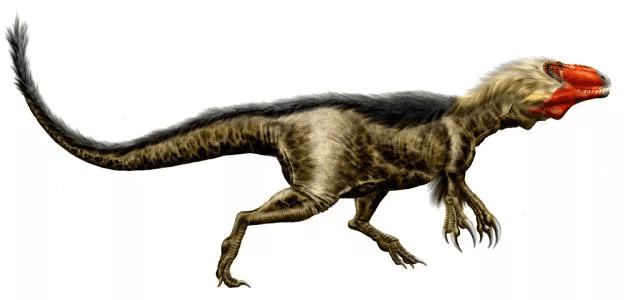
Dryptosaurus
If you didn’t know, the very first tyrannosaur to be discovered in the United States was Dryptosaurus, and not the much more famous Tyrannosaurus Rex. The famous paleontologist Edward Drinker Cope evacuated the remains of Dryptosaurus (“tearing lizard”) were excavated in New Jersey in 1866. He later sealed his reputation with more extensive discoveries in the American West. (Dryptosaurus, which originally went by the much more euphonious name Laelaps.)
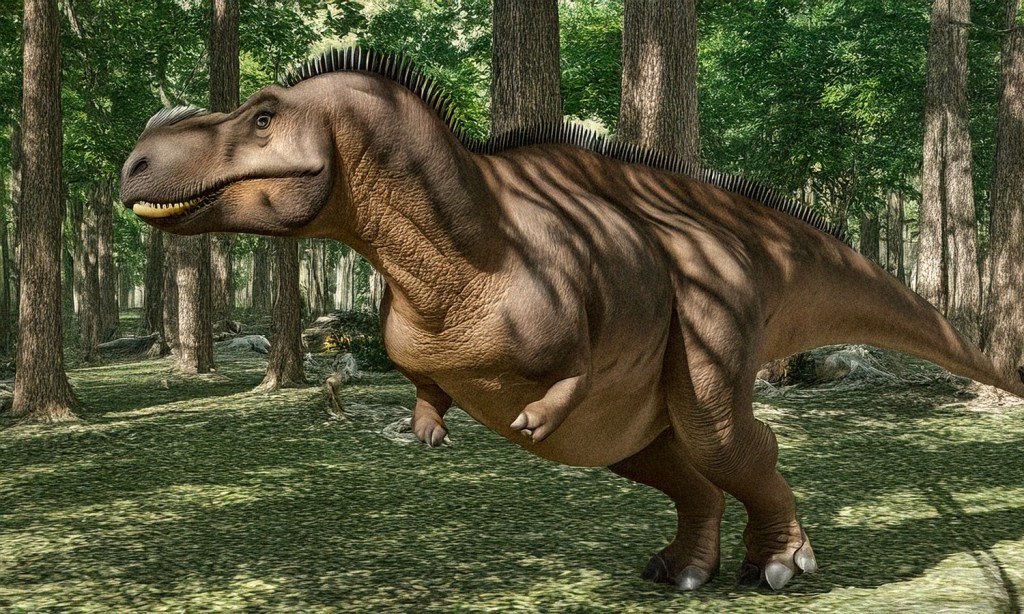
Hadrosaurus
The official state fossil of New Jersey, Hadrosaurus, remains a poorly understood dinosaur, the one bearing its name to a vast family of late Cretaceous plant-eaters (the hadrosaurs, or duck-billed dinosaurs). To date, only one incomplete skeleton of Hadrosaurus has ever been discovered-by the American paleontologist Joseph Leidy, near the town of Haddonfield. Paleontologists wonder if this dinosaur would be classified as a species (or specimen) of another hadrosaur genus.
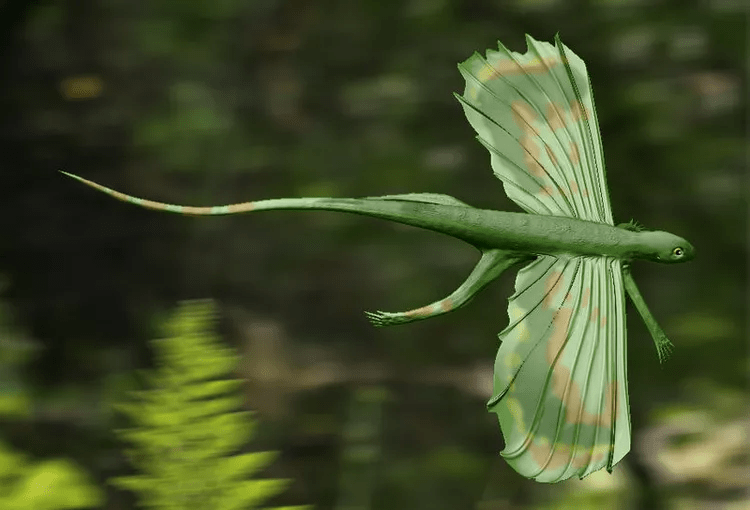
Icarosaurus
The Icarosaurus is a small, gliding reptile, vaguely resembling a moth, that dates to the middle Triassic period. It was of the smallest, and most fascinating, fossils discovered in the Garden State. Discovered in a North Bergen quarry by a teenage enthusiast, the Icarosaurus spent the next 40 years at the American Museum of Natural History in New York until it was purchased by a private collector (who immediately donated it back to the museum for further study).
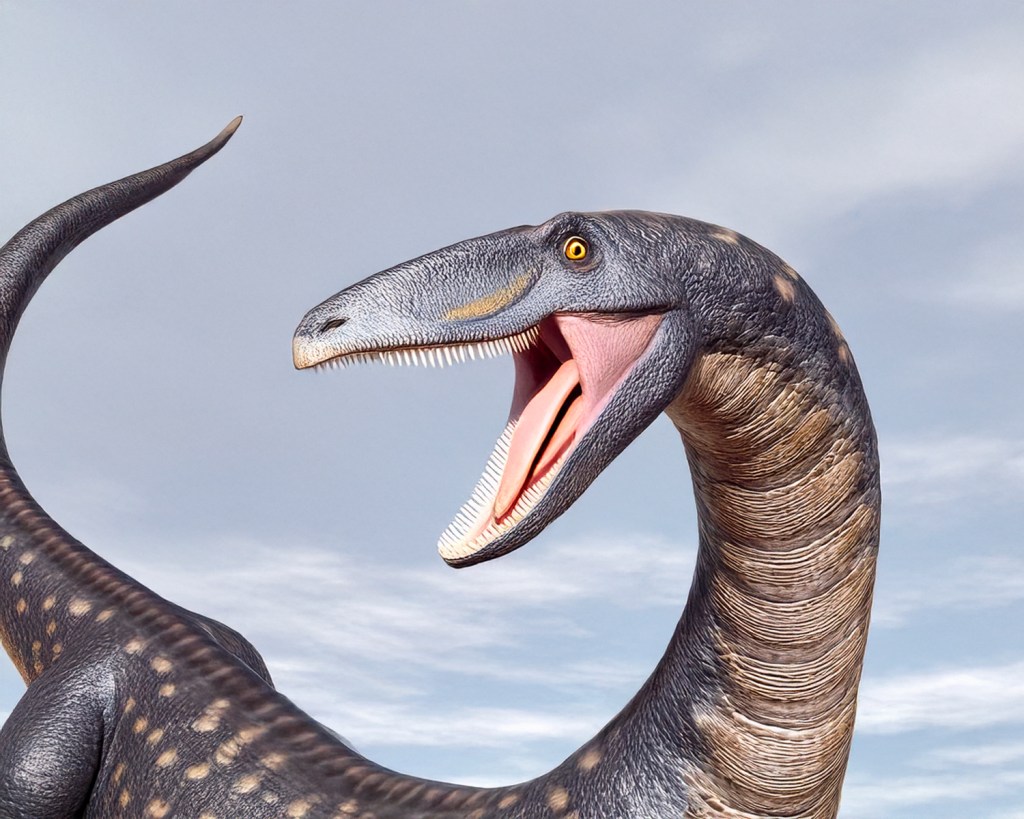
Deinosuchus
This prehistoric crocodile known as the Deinosuchus would eat fish, sharks, marine reptiles, and pretty much anything that happened to cross its path. Given how many states its remains have been discovered in, the 30-foot-long, 10-ton Deinosuchus must have been a common sight along the lakes and rivers of late Cretaceous North America. Unbelievably, given its size, Deinosuchus wasn’t even the biggest crocodile that ever lived–that honor belongs to the slightly earlier Sarcosuchus, also known as the SuperCroc.
Sources
https://www.thoughtco.com/dinosaurs-and-prehistoric-animals-new-jersey-1092088
 DinoNJ